
Introduction
Car insurance is one of the most important financial protections for vehicle owners today. It helps cover the cost of accidents, theft, and unexpected damages, ensuring that drivers are not burdened with heavy expenses. With the rising number of vehicles on the road, having reliable car insurance has become more necessary than ever. Many people purchase policies without fully understanding their benefits, coverage types, or limitations. This often leads to confusion during claims or renewals. In this detailed guide, you will learn everything about car insurance, including types of coverage, cost factors, tips for saving money, and how to choose the best policy. Understanding car insurance properly can help you make smarter decisions and protect your financial future effectively.
What is Car Insurance?
Car insurance is a legal and financial agreement between a vehicle owner and an insurance company that protects against losses related to accidents, theft, or damage. When you purchase car insurance, you pay a premium, and in return, the insurer covers specific risks outlined in your policy. This coverage can include damage to your vehicle, third-party liability, and even medical expenses. Car insurance plays a crucial role in reducing financial stress during unexpected situations. Without proper coverage, you may have to pay large amounts from your own pocket, making it an essential investment for every driver.
Importance of Car Insurance
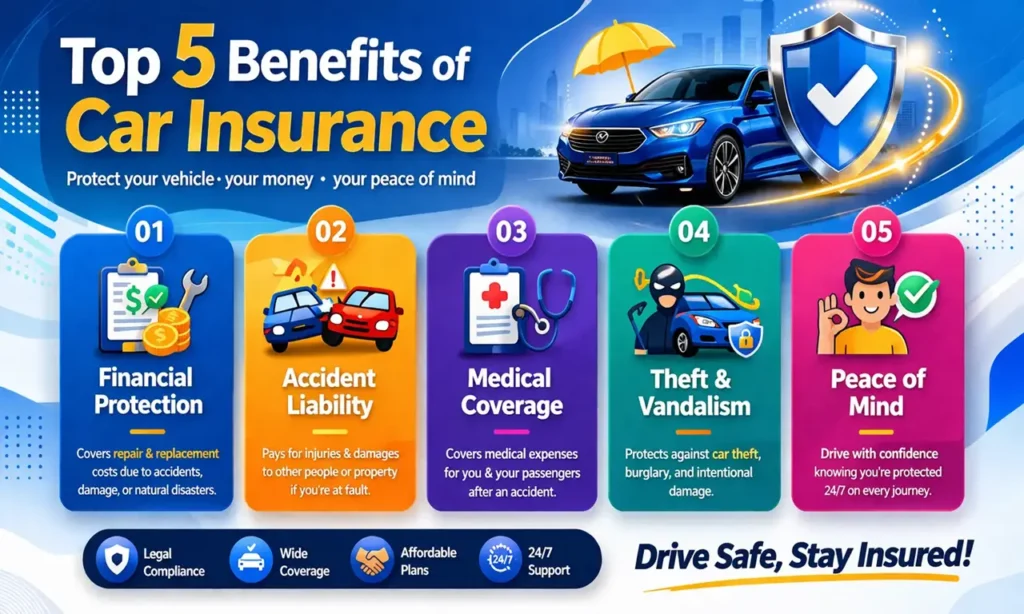
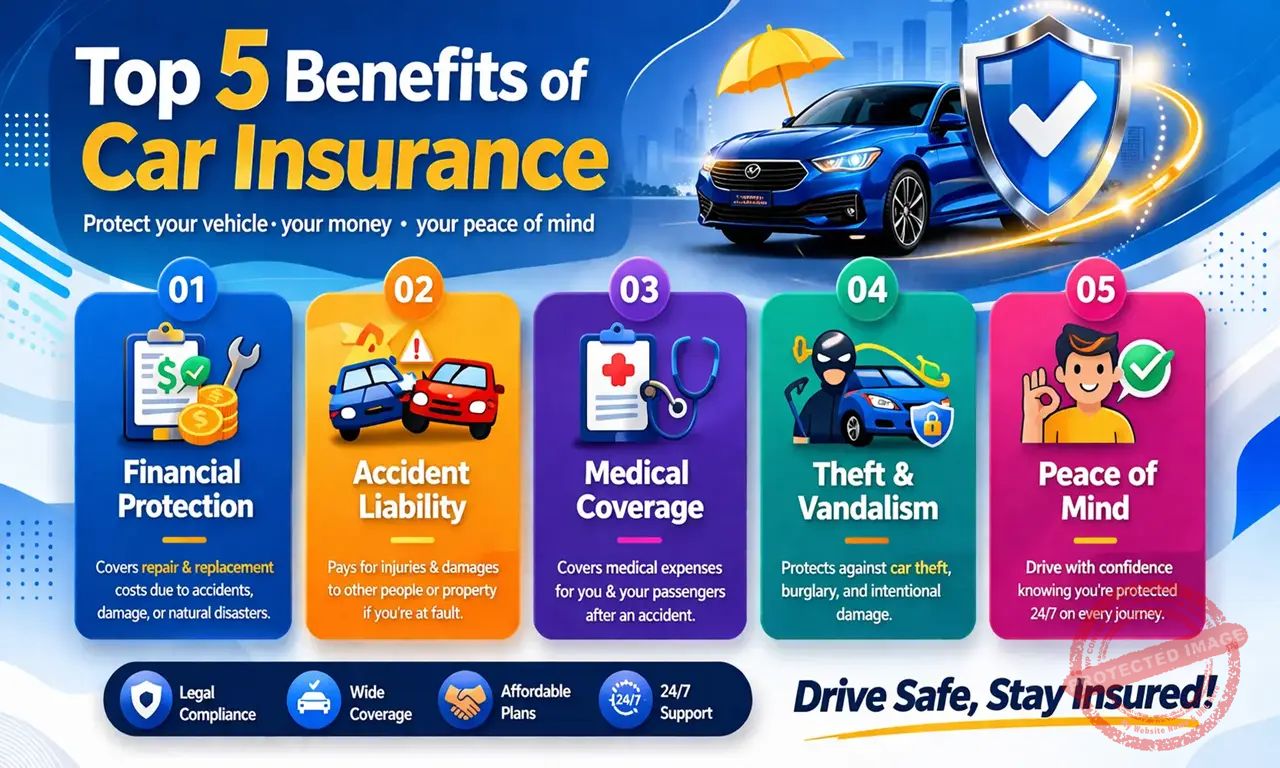
Car insurance is important because it protects you from financial losses and ensures legal compliance in many countries. Accidents can happen at any time, and repair costs or medical expenses can be very high. With proper car insurance, these costs are covered, reducing your financial burden. It also provides liability protection if you damage someone else’s property or cause injury. In addition, car insurance offers peace of mind, allowing you to drive confidently without worrying about unexpected expenses. Overall, having car insurance is not just a requirement but a smart decision for long-term financial security.
Types of Car Insurance Policies
There are different types of car insurance policies designed to meet various needs and budgets. The most common types include third-party insurance, comprehensive insurance, and collision coverage. Third-party insurance covers damages to others, while comprehensive insurance provides full protection, including your own vehicle. Some policies also offer add-ons such as roadside assistance and zero depreciation cover. Choosing the right type of car insurance depends on factors like vehicle value, usage, and risk level. Understanding these options helps you select a policy that provides the best balance between cost and coverage for your specific situation.
Third-Party Car Insurance Explained
Third-party car insurance is the most basic and mandatory form of coverage in many regions. It protects you against legal liabilities if you cause damage to another person’s property or injure someone in an accident. However, this type of car insurance does not cover damage to your own vehicle. It is usually more affordable compared to comprehensive plans, making it a popular choice for budget-conscious drivers. While it offers limited protection, it is essential for meeting legal requirements and avoiding penalties. For those seeking minimal coverage, third-party car insurance is a practical option.
Comprehensive Car Insurance Coverage
Comprehensive car insurance provides complete protection against a wide range of risks, including accidents, theft, natural disasters, and vandalism. Unlike third-party insurance, it also covers damages to your own vehicle, making it a more reliable option. Although the premium for comprehensive car insurance is higher, the level of coverage justifies the cost. This type of policy is especially recommended for new or high-value vehicles. It ensures that you are financially protected in almost every situation. By choosing comprehensive car insurance, you gain peace of mind and strong financial security while driving.
Collision Coverage in Car Insurance
Collision coverage is a type of car insurance that pays for damage to your vehicle resulting from a collision with another car or object, such as a wall or tree. This coverage is useful regardless of who is at fault in the accident. It ensures that repair costs are handled without placing a heavy financial burden on you. Collision coverage is often included in comprehensive car insurance policies or available as an add-on. Drivers in high-traffic areas or those with newer vehicles benefit greatly from this protection, as repair costs can otherwise be quite expensive.
Factors Affecting Car Insurance Premiums
Several factors influence the cost of your car insurance premium. These include your age, driving history, location, type of vehicle, and usage patterns. Younger drivers often face higher premiums due to higher risk levels, while experienced drivers may receive discounts. Expensive or luxury cars also increase insurance costs because of higher repair expenses. Additionally, your claim history and credit score may affect pricing. Understanding these factors helps you make better decisions when choosing a policy. By improving your driving habits and selecting the right coverage, you can reduce your overall car insurance costs significantly.
How to Choose the Best Car Insurance
Choosing the best car insurance requires careful evaluation of your needs and available options. Start by comparing different policies based on coverage, premium cost, and benefits. Look for policies that offer a balance between affordability and protection. It is also important to check customer reviews and claim settlement ratios of insurance providers. Avoid selecting a policy solely based on low price, as it may lack essential coverage. Always read the terms and conditions carefully. A good car insurance policy should provide comprehensive protection, easy claims processing, and reliable customer support for a smooth experience.
Benefits of Having Car Insurance
Car insurance offers multiple benefits that make it essential for every driver. It provides financial protection against accidents, theft, and damages, reducing unexpected expenses. It also ensures compliance with legal requirements, preventing fines or penalties. Additionally, car insurance offers liability coverage, protecting you if you cause damage to others. Many policies include added benefits such as roadside assistance and no claim bonuses. These advantages make car insurance a valuable investment. By having the right policy, you can drive confidently knowing that you are protected from various risks and financial burdens.
Car Insurance for New Drivers
Car insurance for new drivers is usually more expensive due to their limited driving experience and higher risk of accidents. Insurance companies consider new drivers as high-risk, which results in higher premiums. However, there are ways to reduce costs, such as choosing a higher deductible, selecting a safe vehicle, and taking defensive driving courses. Some insurers also offer discounts for students with good academic records. Understanding coverage options helps new drivers select the best policy for their needs. With careful planning, new drivers can find affordable car insurance without compromising on protection.
Car Insurance for Used Cars
Car insurance for used cars is generally more affordable than for new vehicles because the value of the car is lower. However, it is still important to choose adequate coverage based on the car’s condition and usage. Comprehensive car insurance may not always be necessary for older vehicles, and third-party coverage may be sufficient in some cases. Evaluating the risk and repair costs helps in selecting the right policy. Even though premiums are lower, having proper car insurance ensures protection against unexpected damages, theft, or accidents, making it a wise decision for used car owners.
Add-Ons in Car Insurance
Add-ons in car insurance are additional features that enhance the coverage of your policy. These optional benefits include zero depreciation cover, engine protection, roadside assistance, and return-to-invoice cover. While add-ons increase the premium slightly, they provide extra security and convenience. For example, zero depreciation ensures full claim value, while roadside assistance helps during emergencies. Choosing the right add-ons depends on your needs and driving habits. By customizing your car insurance policy with suitable add-ons, you can improve overall protection and avoid unexpected expenses during claims or breakdown situations.
Zero Depreciation Cover
Zero depreciation cover is a popular add-on in car insurance that allows you to receive the full claim amount without a depreciation deduction. Normally, insurance companies deduct depreciation on parts during claims, reducing the payout. However, with this cover, you get the full cost of repairs or replacements. This is especially beneficial for new or high-value cars. Although it increases the premium, the financial benefit during claims is significant. Choosing zero depreciation cover ensures better protection and minimizes out-of-pocket expenses, making it a valuable addition to your car insurance policy.
Roadside Assistance in Car Insurance
Roadside assistance is an essential add-on in car insurance that provides help during unexpected vehicle breakdowns. Services typically include towing, battery jump-start, flat tire repair, fuel delivery, and locksmith assistance. This feature ensures that you are not stranded on the road during emergencies. Roadside assistance is particularly useful for long-distance travelers and those driving in unfamiliar areas. Although it adds a small cost to your premium, the convenience and safety it offers are worth it. Including roadside assistance in your car insurance policy enhances your overall driving experience and peace of mind.
No Claim Bonus (NCB) Explained
No Claim Bonus (NCB) is a reward offered by insurance companies to policyholders who do not make any claims during a policy period. It is usually provided as a discount on the premium during renewal. The discount increases with each claim-free year, helping you save significantly over time. Maintaining a clean driving record is key to maximizing NCB benefits. However, making a claim may reduce or reset the bonus. Understanding how NCB works helps you plan your claims wisely and reduce long-term car insurance costs while enjoying continuous benefits.
Car Insurance Renewal Process
Renewing your car insurance on time is crucial to maintain uninterrupted coverage. Most insurance companies offer easy online renewal options, making the process quick and convenient. Before renewing, review your current policy to ensure it still meets your needs. You may also compare other policies to find better deals or improved coverage. Timely renewal helps retain benefits like No Claim Bonus and avoids penalties. Missing the renewal date can result in policy lapse and legal issues. Keeping track of renewal dates ensures that your car insurance remains active and effective at all times.
How to File a Car Insurance Claim
Filing a car insurance claim involves a few important steps that must be followed carefully. First, inform your insurance company immediately after an accident or damage. Provide necessary details and submit required documents such as photos, FIR (if applicable), and policy information. The insurer may arrange for a vehicle inspection before approving the claim. Once approved, repairs are carried out, and costs are covered as per the policy terms. Understanding the claim process helps avoid delays or rejections. Proper documentation and timely reporting are essential for a smooth car insurance claim experience.
Common Mistakes in Car Insurance
Many people make mistakes when purchasing car insurance, which can lead to financial loss later. One common mistake is choosing a policy based only on low premiums without considering coverage. Another mistake is not reading the policy terms and exclusions carefully. Some people also forget to renew their policy on time, resulting in coverage gaps. Providing incorrect information can also lead to claim rejection. Avoiding these mistakes requires proper research and understanding of your policy. Making informed decisions ensures that your car insurance provides adequate protection when you need it most.
Online vs Offline Car Insurance
Car insurance can be purchased both online and offline, and each method has its advantages. Buying online is quick, convenient, and often cheaper due to lower operational costs. It also allows easy comparison of policies. On the other hand, offline purchase provides personalized assistance through agents who help you understand policy details. The choice depends on your comfort level and knowledge. Online platforms are ideal for experienced buyers, while offline methods suit those who prefer guidance. Both options can provide reliable car insurance if chosen carefully.
Cheap Car Insurance Tips
Getting affordable car insurance requires smart strategies and careful planning. Start by comparing quotes from multiple insurers to find the best deal. Maintain a good driving record to qualify for discounts. Choosing a higher deductible can also lower your premium. Installing safety devices in your car may reduce costs further. Avoid unnecessary add-ons that increase premiums. Additionally, renewing your policy on time helps retain benefits like No Claim Bonus. By following these tips, you can reduce your car insurance expenses without compromising on essential coverage and protection.
Role of Deductibles in Car Insurance
Deductibles in car insurance refer to the amount you agree to pay out of pocket before the insurance company covers the remaining claim cost. Choosing a higher deductible usually lowers your premium, making the policy more affordable. However, it also means you will pay more during a claim. On the other hand, a lower deductible increases your premium but reduces your financial burden during repairs. Understanding how deductibles work helps you balance risk and affordability. Selecting the right deductible is important for managing your car insurance costs effectively over time.
Car Insurance Discounts
Car insurance companies offer various discounts to attract and retain customers. These discounts can significantly reduce your premium if you qualify. Common discounts include safe driver discounts, multi-policy discounts, and discounts for installing safety devices. Some insurers also provide benefits for students with good academic records or drivers with low annual mileage. Taking advantage of these offers can help lower your car insurance costs without reducing coverage. It is always a good idea to ask your insurer about available discounts before purchasing or renewing a policy to maximize savings.
Car Insurance for Young Drivers
Car insurance for young drivers is often expensive because they are considered high-risk due to limited driving experience. However, there are ways to reduce these costs. Choosing a vehicle with good safety ratings and avoiding high-performance cars can help lower premiums. Enrolling in defensive driving courses may also qualify for discounts. Maintaining a clean driving record is essential for reducing future premiums. Some insurance companies offer special plans tailored for young drivers. Understanding these options helps young drivers find affordable car insurance while still ensuring adequate protection.
Car Insurance for Families
Car insurance for families often involves covering multiple vehicles under a single policy. Many insurers offer discounts for bundling vehicles, making it a cost-effective option. Family policies may also include benefits such as shared coverage limits and flexible payment options. Managing car insurance for multiple drivers requires careful planning to ensure adequate coverage for each member. It is important to compare policies and choose one that fits the needs of the entire family. A well-structured family car insurance plan provides convenience, savings, and comprehensive protection for all vehicles.
Understanding Policy Terms
Understanding the terms and conditions of your car insurance policy is essential for avoiding confusion during claims. Policy documents include details about coverage limits, exclusions, deductibles, and claim procedures. Many people overlook these details, which can lead to unexpected issues later. Reading and understanding the policy ensures that you know what is covered and what is not. It also helps you make informed decisions when choosing add-ons or renewing your policy. Being aware of policy terms allows you to use your car insurance effectively and avoid misunderstandings with your insurer.
Exclusions in Car Insurance
Exclusions in car insurance refer to situations or conditions that are not covered by your policy. Common exclusions include normal wear and tear, mechanical breakdowns, driving under the influence, and intentional damage. Understanding these exclusions is important to avoid claim rejection. Many policyholders assume all damages are covered, which is not always true. Carefully reviewing the exclusion list helps you understand the limitations of your car insurance. This knowledge allows you to take preventive measures and choose additional coverage if needed to ensure complete protection.
Car Insurance and Legal Requirements
Car insurance is a legal requirement in many countries, making it mandatory for vehicle owners to have at least basic coverage. Driving without valid car insurance can result in fines, penalties, or even suspension of your driving license. Legal requirements usually include third-party liability coverage, which protects others in case of accidents. Complying with these laws ensures that you avoid legal issues and financial risks. It also promotes responsible driving behavior. Having valid car insurance not only fulfills legal obligations but also provides essential financial protection in unexpected situations.
Digital Trends in Car Insurance
Digital technology has transformed the car insurance industry significantly. Today, customers can buy policies, renew coverage, and file claims online بسهولة and quickly. Mobile apps allow policyholders to manage their car insurance anytime, anywhere. Insurers are also using artificial intelligence and data analytics to provide personalized pricing and faster claim processing. Telematics devices track driving behavior and reward safe drivers with lower premiums. These digital advancements make car insurance more convenient, transparent, and efficient. Staying updated with these trends helps you take advantage of modern features and improved services.
Importance of Comparing Policies
Comparing car insurance policies is one of the best ways to find the right coverage at an affordable price. Different insurers offer varying benefits, premiums, and claim processes. By comparing multiple options, you can identify policies that provide better value for money. It also helps you understand market trends and available discounts. Relying on a single option may lead to overpaying or getting insufficient coverage. Taking time to compare ensures that you choose a car insurance policy that meets your needs, budget, and expectations effectively.
Car Insurance for Luxury Cars
Luxury cars require specialized car insurance due to their high value and expensive repair costs. Standard policies may not provide adequate coverage for such vehicles. Comprehensive insurance with add-ons like zero depreciation and engine protection is highly recommended. Premiums for luxury car insurance are higher, but they offer better protection against damage and theft. It is important to choose an insurer with experience in handling high-value claims. Proper car insurance ensures that your luxury vehicle remains protected and that repair or replacement costs are covered efficiently.
Electric Vehicle Insurance
Electric vehicles (EVs) require specific car insurance policies that cover unique components such as batteries and charging equipment. Since EV technology is relatively new, repair costs can be higher than those of traditional vehicles. Insurance providers now offer tailored policies for electric cars, including battery protection and roadside charging assistance. Premiums may vary depending on the model and usage. Choosing the right car insurance for your EV ensures that all critical components are protected. As electric vehicles become more popular, specialized insurance options continue to improve and expand.
Car Insurance Fraud Awareness
Car insurance fraud is a serious issue that affects both insurers and policyholders. Fraudulent activities include false claims, staged accidents, and providing incorrect information. These actions increase overall insurance costs and premiums for everyone. Being honest while purchasing and claiming car insurance is essential to avoid legal consequences. Insurers use advanced technology to detect fraud and prevent misuse. Policyholders should also be cautious and report suspicious activities. Awareness of car insurance fraud helps maintain fairness in the system and ensures that genuine claims are processed smoothly and efficiently.
Seasonal Car Insurance Tips
Seasonal changes can impact your car insurance needs and driving risks. For example, winter conditions may increase the chances of accidents due to slippery roads, while summer heat can affect vehicle performance. Adjusting your coverage or taking preventive measures during different seasons is important. Regular vehicle maintenance and safe driving practices help reduce risks. Some insurers may offer seasonal discounts or advice to improve safety. Understanding how seasons affect your driving helps you use your car insurance more effectively and stay protected throughout the year.
Long-Term Car Insurance Plans
Long-term car insurance plans provide coverage for multiple years, usually up to three years, offering convenience and stability. These plans protect you from annual premium increases and reduce the hassle of frequent renewals. Many insurers offer discounts for choosing long-term policies, making them cost-effective. They also ensure continuous coverage without the risk of policy lapse. However, it is important to review the terms before committing, as flexibility may be limited. Long-term car insurance is a suitable option for those who prefer convenience and consistent protection.
Importance of Customer Support
Customer support plays a crucial role in the overall experience of car insurance. Efficient support ensures that your queries, claims, and emergencies are handled quickly. Good insurers provide multiple support channels, including phone, email, and live chat. During accidents or breakdowns, responsive customer service can make a significant difference. It is important to choose an insurance provider known for reliable support. Checking customer reviews and ratings helps in making the right choice. Strong customer support enhances trust and ensures a smooth car insurance experience.
Future of Car Insurance
The future of car insurance is evolving with advancements in technology and changing customer expectations. Innovations such as artificial intelligence, telematics, and usage-based insurance are shaping the industry. These technologies allow insurers to offer personalized policies based on driving behavior. Autonomous vehicles and electric cars are also influencing insurance models. Digital platforms are making policy management easier and more efficient. As the industry continues to evolve, car insurance will become more flexible, transparent, and customer-focused. Staying informed about these trends helps you adapt to future changes and make better insurance decisions.
FAQs
What is the minimum car insurance required?
The minimum car insurance required in most regions is third-party liability coverage, which protects against damages caused to others in an accident.
How can I reduce my car insurance premium?
You can reduce your car insurance premium by maintaining a clean driving record, choosing higher deductibles, and comparing multiple policies.
Is comprehensive car insurance worth it?
Yes, comprehensive car insurance is worth it for new or high-value vehicles as it provides complete protection against various risks.
What is a deductible in car insurance?
A deductible is the amount you pay before your insurance company covers the remaining cost of a claim.
Can I switch car insurance providers?
Yes, you can switch car insurance providers at the time of renewal to get better coverage or lower premiums.
Conclusion
Car insurance is an essential investment that protects you from financial losses and ensures peace of mind while driving. From understanding different policy types to choosing the right coverage and saving on premiums, every aspect plays a crucial role in making informed decisions. By comparing policies, avoiding common mistakes, and taking advantage of discounts, you can maximize the value of your car insurance. Additionally, staying updated with digital trends and future developments helps you adapt to changes in the industry. Whether you own a new car, a used vehicle, or an electric model, having the right car insurance ensures complete protection and long-term financial security.