

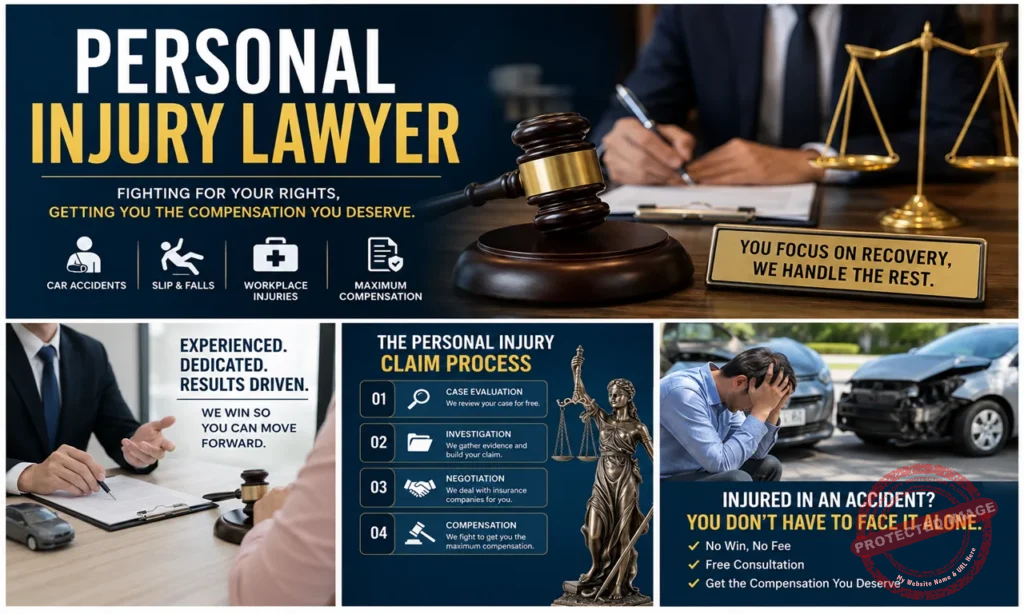

Personal Injury Lawyer services can mean the difference between financial recovery and long-term hardship after a serious accident. Have you recently suffered an injury because of someone else’s negligence? Medical bills can pile up quickly, missed work can strain your finances, and insurance companies often pressure victims into accepting unfair settlements. During moments like these, choosing the right legal support becomes one of the most important decisions you can make. A skilled personal injury lawyer helps protect your rights, gather strong evidence, negotiate with insurers, and fight for the compensation you truly deserve. This guide will walk you through practical insights, costly mistakes to avoid, and proven strategies to help you make confident legal decisions.
What Is a Personal Injury Lawyer and Why Do You Need One
A personal injury lawyer helps people who suffer injuries because of someone else’s carelessness, negligence, or reckless behavior. Whether you face a car accident, slip-and-fall injury, or workplace accident, having legal representation protects your rights from the beginning. Insurance companies often try to minimize payouts, leaving victims struggling with medical bills and lost wages. A trusted injury attorney helps gather evidence, calculate damages, and pursue fair compensation so you can focus on recovery instead of legal stress.
How Personal Injury Law Protects Everyday Victims
Personal injury law exists to protect victims from paying the financial price for someone else’s mistake. If a distracted driver causes a crash or unsafe property conditions lead to injuries, the law allows victims to seek compensation for medical costs, lost income, and emotional distress. A personal injury lawyer uses negligence laws, accident evidence, and legal strategy to hold responsible parties accountable. This legal protection gives injured victims a chance to rebuild financially and emotionally after unexpected hardships.
Who Can File a Personal Injury Claim
Many people are surprised to learn they may qualify for legal compensation after an accident. Victims of car crashes, motorcycle accidents, medical malpractice, dog bites, defective products, or unsafe workplaces often have legal grounds to file claims. A personal injury lawyer evaluates factors like negligence, damages, liability, and injury severity before moving forward. For example, someone injured by unsafe store flooring may deserve compensation if poor maintenance directly caused the accident and resulting injuries.
The Real Role of a Personal Injury Lawyer
A personal injury lawyer does much more than file paperwork or appear in court. They investigate accidents, collect medical records, negotiate aggressively with insurance adjusters, and calculate both current and future damages. Think of them as a guide during one of life’s most stressful situations. Instead of handling legal pressure alone, clients gain an experienced advocate focused on securing fair compensation. This support often reduces emotional stress while improving settlement outcomes for injury victims.
Why Insurance Companies Fear Skilled Injury Lawyers
Insurance companies prioritize profits, which means paying victims as little as possible whenever claims arise. When someone handles a case alone, insurers often use delay tactics or low settlement offers. A skilled personal injury lawyer changes the power balance immediately. Experienced attorneys understand settlement negotiation, legal deadlines, and compensation strategies that insurers respect. Many companies become more willing to settle fairly once they know an attorney is prepared to fight for maximum compensation in court.
Hidden Financial Problems Injury Victims Face
Serious injuries often create financial stress far beyond hospital bills. Many victims lose income because they cannot work while recovery continues. Physical therapy, prescription costs, emotional trauma, and future medical treatment can quickly increase expenses. A personal injury lawyer helps calculate these long-term damages to avoid undervaluing claims. For example, a back injury might seem manageable today but later require surgery, making proper compensation essential for long-term financial stability and peace of mind.
Common Injuries That Need Immediate Legal Help
Certain injuries require immediate legal action because they often involve high compensation value and serious long-term consequences. Brain trauma, spinal cord injuries, severe burns, broken bones, wrongful death claims, and permanent disabilities usually demand experienced legal representation. A personal injury lawyer quickly preserves evidence, speaks with witnesses, and prevents insurance companies from taking advantage of victims. Waiting too long can weaken your case and reduce the compensation you may legally deserve.
Why Most Injury Victims Accept Low Settlements
Many accident victims unknowingly accept settlement offers far below what their claims deserve. Insurance adjusters often pressure injured people while they feel financially desperate, emotionally exhausted, or physically vulnerable. Without legal knowledge, victims may not understand future medical costs, lost earning potential, or emotional suffering damages. A personal injury lawyer reviews settlement offers carefully and negotiates aggressively to secure compensation that truly reflects both short-term expenses and long-term financial losses.
The Emotional Impact of an Injury
Physical pain is only one part of recovery after a serious accident. Many victims experience anxiety, depression, sleep problems, or emotional stress caused by medical uncertainty and financial pressure. Family relationships may also suffer during long recoveries. A personal injury lawyer reduces much of this burden by handling negotiations, legal paperwork, and insurance communication. Knowing someone is protecting your interests often helps victims feel more confident and emotionally supported throughout recovery.
Dangerous Mistakes People Make Before Hiring a Lawyer
Many injury victims accidentally damage their own cases without realizing it. Common mistakes include delaying medical care, giving recorded statements to insurers, posting accident details on social media, or accepting quick settlements too early. These actions can weaken evidence and reduce claim value significantly. A personal injury lawyer helps victims avoid these costly errors while protecting important deadlines, medical documentation, and compensation opportunities that could otherwise disappear after an accident.
How to Search for the Best Personal Injury Lawyer
Finding the right attorney starts with careful research rather than choosing the first advertisement you see. Read reviews, ask trusted friends for referrals, and explore professional legal directories. Search terms like “best personal injury lawyer near me” often help narrow quality options. A reliable attorney should show experience with accident claims, strong communication, and proven settlement success. Choosing wisely can significantly improve your legal experience and financial outcome after an injury.
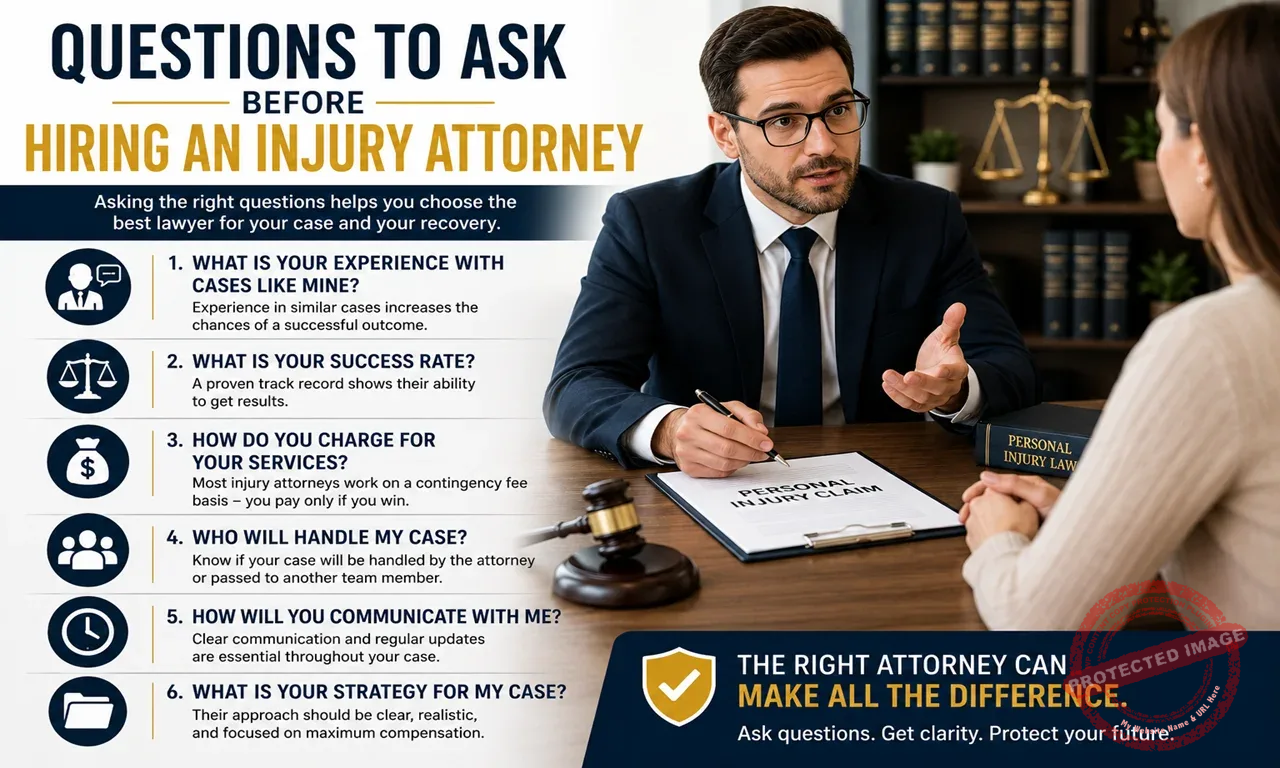
Questions to Ask Before Hiring an Injury Attorney
Before hiring legal representation, ask clear questions about experience, fees, communication, and case strategy. Find out how many cases similar to yours the attorney has handled and whether trial experience exists if negotiations fail. A trustworthy personal injury lawyer explains legal expectations honestly without unrealistic promises. For example, asking how often updates will be shared helps ensure strong communication and trust during stressful situations where clarity matters most to injured victims.
Best Online Resources to Research a Lawyer
The internet provides several useful tools for researching legal professionals before signing agreements. Review platforms, local bar associations, and legal directories help verify credentials and client experiences. Sites like Avvo and state bar listings often reveal reviews, disciplinary history, and practice specialties. A dependable personal injury lawyer usually maintains transparent online credibility through testimonials and professional achievements. Spending time researching attorneys often prevents poor decisions that could hurt your compensation case later.
Understanding Contingency Fees With Injury Lawyers
One reason many victims hesitate to hire legal help is fear of high costs. Fortunately, most personal injury lawyer services operate on contingency fees, meaning you pay nothing unless compensation is recovered. Instead of upfront legal bills, attorneys receive a percentage of the final settlement or court award. This payment structure allows injury victims access to experienced representation without financial risk, making quality legal support possible during difficult and stressful recovery periods.
What to Bring to Your Free Lawyer Consultation
Preparing properly for your first legal meeting helps attorneys evaluate your case faster and more accurately. Bring medical records, accident reports, photographs, insurance documents, witness details, and proof of lost income if available. A personal injury lawyer uses this information to assess negligence, damages, and claim value. Think of your consultation as building the foundation of your case, because strong preparation often leads to stronger legal strategies and better settlement opportunities later.
Personal Injury Lawyer vs General Lawyer
Choosing between a specialist and a general attorney can directly affect your compensation results. A personal injury lawyer focuses specifically on accident claims, insurance negotiations, liability laws, and courtroom tactics related to injuries. General lawyers may understand legal basics but often lack deep experience in injury settlements. Think of it like choosing a heart surgeon instead of a family doctor for surgery. Specialized legal expertise often leads to stronger claims, faster resolutions, and better financial outcomes.
How to Compare Personal Injury Law Firms
Not every law firm delivers the same level of service or results. Compare firms based on experience, client reviews, case success, communication style, and settlement history. A reliable personal injury lawyer should explain legal fees clearly and provide realistic expectations about your claim. Some firms focus on quick settlements, while others aggressively pursue maximum compensation. Spending time comparing options helps victims avoid disappointment and increases confidence when making an important legal decision.
Big Law Firm vs Solo Personal Injury Attorney
Large law firms often have more resources, investigators, and legal staff to handle complex claims. However, clients may sometimes feel like another case number. A solo personal injury lawyer usually offers more personalized attention and direct communication throughout the process. For example, someone recovering from severe injuries may value consistent personal contact more than a large legal team. The right choice depends on your comfort level, case complexity, and communication preferences.
Experience vs Reputation in Choosing a Lawyer
Experience and reputation both matter when hiring legal representation, but understanding the difference helps make smarter choices. Experience means handling similar accident claims successfully over many years. Reputation reflects how clients, judges, and insurance companies view the attorney’s professionalism and skill. A respected personal injury lawyer often negotiates stronger settlements because insurers know courtroom action is possible. Ideally, choose someone with both a strong reputation and proven case experience for maximum confidence.
Red Flags to Avoid in Injury Lawyers
Not every attorney acts in the client’s best interest, so recognizing warning signs matters. Be cautious of lawyers who guarantee outcomes, avoid answering questions, pressure fast decisions, or rarely communicate clearly. A trustworthy personal injury lawyer explains risks honestly and keeps clients informed throughout the legal process. For example, delayed responses or vague fee explanations may indicate poor professionalism. Trust and transparency should always guide your final hiring decision.
Step-by-Step Process of Filing a Personal Injury Claim
Filing a legal claim usually begins with gathering evidence, medical records, and witness information. After reviewing your case, a personal injury lawyer submits a claim or demand letter to the insurance company requesting fair compensation. Negotiations often follow, but if no reasonable settlement happens, a lawsuit may be filed. Understanding this process reduces fear and confusion, helping injury victims feel more prepared while legal professionals handle complex negotiations and deadlines.
How a Personal Injury Lawyer Builds a Strong Case
Building a successful legal case requires careful planning and detailed evidence collection. A personal injury lawyer reviews medical records, accident reports, witness testimony, photographs, and financial losses to strengthen your claim. Think of it like building a house, because strong foundations matter. Weak evidence often leads to weak settlements. By collecting proof early, attorneys increase the likelihood of fair compensation while protecting victims against insurance company tactics designed to reduce payouts.
Gathering Evidence That Strengthens Your Claim
Strong evidence plays a major role in personal injury settlements and court outcomes. Photographs, police reports, medical records, surveillance footage, witness statements, and proof of lost wages all help support compensation claims. A personal injury lawyer organizes these details carefully to build a clear picture of negligence and damages. For example, documented injuries immediately after an accident often strengthen credibility, making it harder for insurers to challenge the seriousness of your suffering.

How Injury Lawyers Negotiate With Insurance Companies
Insurance negotiations require patience, legal knowledge, and strong strategy. A personal injury lawyer presents evidence, calculates damages, and pushes back against low settlement offers designed to protect insurer profits. Insurance adjusters often test victims with unfair compensation offers early in the process. Skilled attorneys understand these tactics and negotiate confidently for medical costs, lost income, emotional distress, and future damages. Strong negotiation skills often mean dramatically higher compensation for injured victims.
Understanding the Settlement Process
Most injury claims end in settlements rather than courtroom trials. During negotiations, a personal injury lawyer reviews every offer carefully to ensure compensation reflects medical expenses, financial losses, and emotional suffering. Clients always control the final decision to accept or reject offers. For example, accepting a fast payout may feel tempting, but waiting for proper case evaluation often produces much better financial outcomes. Patience frequently protects victims from costly long-term mistakes.
Benefits of Hiring a Personal Injury Lawyer
Hiring experienced legal representation offers benefits beyond financial compensation alone. A personal injury lawyer handles stressful paperwork, legal deadlines, insurance communication, and settlement discussions while victims focus on recovery. Research consistently shows represented clients often recover significantly higher compensation than those negotiating alone. More importantly, professional legal guidance reduces emotional stress during difficult times. Many victims gain peace of mind simply knowing an experienced advocate protects their financial future and legal rights.
What Compensation Can You Receive
Compensation in injury claims often covers more than people initially expect. A personal injury lawyer may seek payment for hospital bills, rehabilitation costs, lost wages, future medical care, emotional suffering, and reduced earning ability. Severe injuries sometimes qualify for pain and suffering damages or long-term disability compensation. For example, someone unable to return to work after an accident may deserve financial recovery beyond immediate medical expenses to secure future stability.
Risks of Handling an Injury Case Alone
Trying to manage an injury claim without legal help can create serious financial risks. Insurance companies understand legal systems and often take advantage of victims unfamiliar with settlement values or deadlines. A personal injury lawyer protects against undervalued claims, paperwork errors, and missed legal opportunities. Think of legal representation like using an experienced guide during a dangerous journey. Without proper direction, mistakes can quickly cost victims thousands in lost compensation.
How Lawyers Protect Victims From Legal Mistakes
Legal cases involve strict deadlines, paperwork requirements, and complicated procedures that overwhelm many injury victims. A personal injury lawyer protects clients from errors such as missing filing deadlines, accepting unfair settlements, or providing harmful insurance statements. For example, saying the wrong thing during an insurance call may weaken your claim significantly. Attorneys handle these details professionally, helping victims avoid mistakes that could permanently reduce financial compensation after serious injuries.
Real Stories Showing Lawyer Success
Real-life examples often reveal how valuable legal representation can become after serious accidents. One injured driver initially received a low settlement offer until hiring a personal injury lawyer who uncovered medical evidence proving long-term injuries. Another victim struggling after a workplace accident secured compensation only after legal intervention. Stories like these remind people that strong legal guidance often changes outcomes dramatically, especially when financial pressure and insurance tactics make situations overwhelming.
Advanced Legal Strategies Used by Personal Injury Lawyers
Experienced attorneys often use advanced legal strategies to maximize compensation for injured clients. A personal injury lawyer may involve accident reconstruction experts, medical specialists, or economic professionals to prove damages clearly. In complicated cases, attorneys identify multiple responsible parties to increase settlement opportunities. Think of it like solving a puzzle where every piece matters. Strong legal strategy often transforms an average claim into one that better reflects true financial and emotional losses.
How Comparative Negligence Affects Compensation
Sometimes accident victims share partial responsibility for an incident, which can affect settlement amounts. Comparative negligence laws reduce compensation based on the percentage of fault assigned to each party. A personal injury lawyer works to minimize blame placed on injured victims through evidence, witness statements, and legal arguments. For example, if someone is found 20 percent responsible, compensation may decrease accordingly, making skilled legal representation especially important for fair outcomes.
What Happens If Your Case Goes to Trial
Although many claims settle outside court, some cases eventually proceed to trial when negotiations fail. A personal injury lawyer presents evidence, questions witnesses, and explains damages before a judge or jury. Courtrooms can feel intimidating, especially for injured victims unfamiliar with legal systems. Having experienced representation often builds confidence and improves preparation. Trial outcomes sometimes produce higher compensation, though attorneys carefully weigh risks before recommending courtroom action.
Understanding Punitive Damages in Injury Cases
Punitive damages exist to punish reckless or dangerous behavior beyond normal compensation awards. Cases involving drunk driving, intentional harm, or extreme negligence may qualify for these damages. A personal injury lawyer evaluates whether facts support pursuing additional financial recovery. For example, a company knowingly ignoring serious safety risks may face larger penalties. These damages not only help victims financially but also discourage harmful behavior that could injure others in the future.
Why Medical Evidence Matters in Personal Injury Claims
Medical evidence strongly influences settlement values and legal success after serious injuries. Hospital records, doctor opinions, physical therapy reports, and long-term treatment plans help prove damages clearly. A personal injury lawyer uses these documents to connect injuries directly to accidents while challenging insurer attempts to reduce compensation. For example, delayed treatment sometimes weakens claims, making immediate medical care essential. Strong documentation often strengthens credibility and increases compensation opportunities significantly.
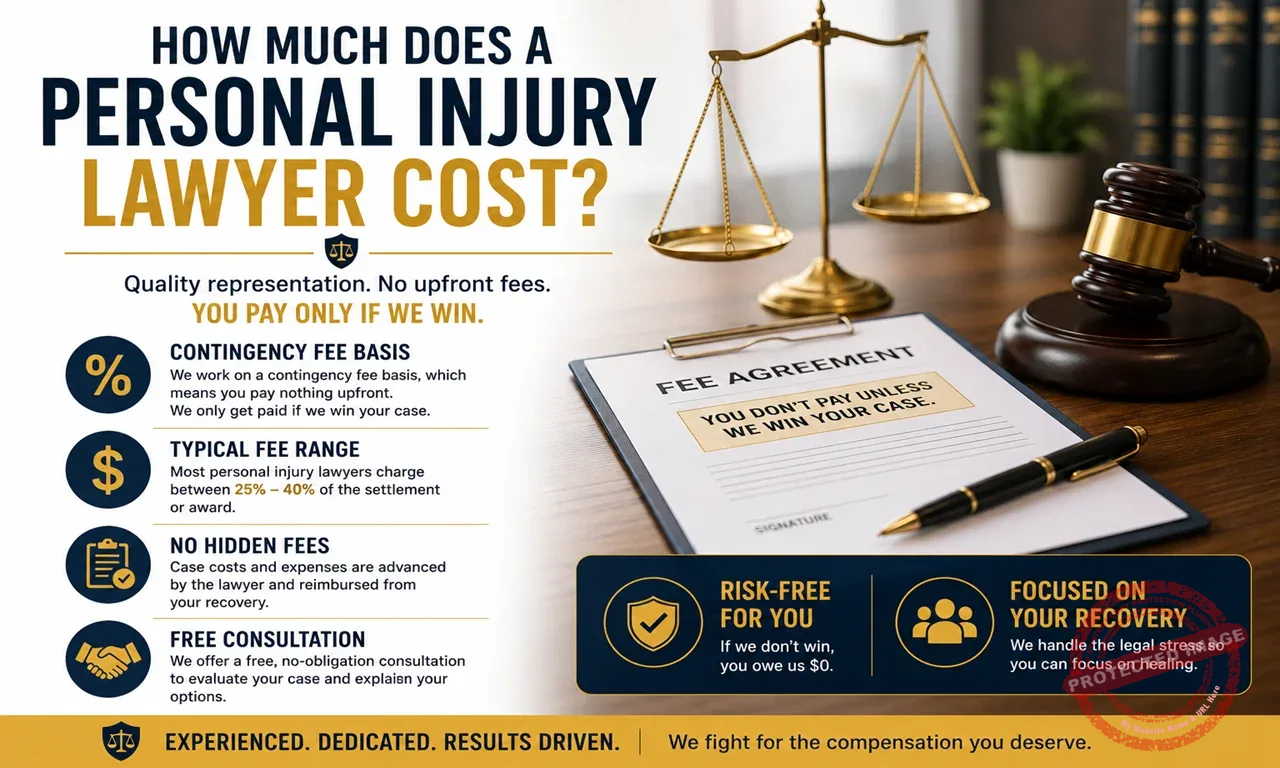
How Much Does a Personal Injury Lawyer Cost
Many injury victims avoid legal help because they fear expensive attorney fees. Fortunately, most personal injury lawyer services operate using contingency agreements, meaning payment only happens after compensation is won. Instead of paying upfront costs, attorneys receive a percentage of the settlement amount. This system makes professional legal help affordable for almost everyone. Victims gain experienced representation without risking financial hardship during already stressful recovery periods after accidents.
Understanding No-Win No-Fee Agreements
A no-win no-fee agreement means legal fees are only paid if compensation is recovered successfully. This payment structure allows injury victims to pursue justice without financial pressure. A personal injury lawyer usually explains the agreement during the first consultation, helping clients understand fee percentages and legal costs clearly. For example, someone struggling with hospital bills can still receive experienced legal help without worrying about paying expensive hourly attorney rates upfront.
How to Maximize Your Injury Settlement
Maximizing compensation requires patience, preparation, and smart decisions after an accident. A personal injury lawyer often advises victims to avoid quick settlement offers, complete medical treatment, and document every expense carefully. Insurance companies usually begin with lower offers hoping victims accept immediately. Think of negotiations like selling valuable property because rushing decisions often leads to financial regret. Careful legal guidance typically results in stronger settlements and better long-term recovery.
Factors That Determine Settlement Value
Several important factors influence how much compensation a victim may receive after an accident. Injury severity, medical costs, lost income, emotional suffering, and fault percentage all affect settlement calculations. A personal injury lawyer also evaluates insurance policy limits and long-term consequences when estimating claim value. For example, permanent disabilities usually result in larger settlements than temporary injuries. Understanding these factors helps victims develop realistic expectations during legal proceedings.
Hidden Costs You Should Know About
Injury claims sometimes involve expenses that victims do not expect at first. Court filing costs, medical record fees, expert witness expenses, and investigation charges may become part of legal proceedings. A personal injury lawyer often advances these costs until compensation arrives, reducing financial pressure for clients. For example, complex accident reconstruction reports can strengthen difficult claims but require extra resources. Understanding hidden costs early helps victims feel more prepared throughout the process.
Expert Tips From Top Injury Lawyers
Experienced attorneys often share simple advice that significantly improves case outcomes. A personal injury lawyer usually recommends immediate medical treatment, organized documentation, honest communication, and avoiding insurance pressure tactics. Keeping a recovery journal can also help track emotional suffering and physical pain. Think of evidence like building blocks because every document strengthens your claim. Following expert legal advice often improves settlement results and protects victims from unnecessary mistakes.
Biggest Mistakes That Ruin Injury Claims
Many valid claims lose value because victims unknowingly make avoidable mistakes. Delayed treatment, poor documentation, social media activity, or accepting quick settlements can weaken cases significantly. A personal injury lawyer helps prevent these issues by guiding victims carefully from day one. For example, posting vacation photos after an accident may hurt credibility, even when injuries remain serious. Avoiding common mistakes often protects compensation opportunities and legal success.
How Social Media Can Damage Your Case
Social media activity creates unexpected risks during legal claims because insurance companies often review online behavior. A single smiling photo or vacation update may be used unfairly to challenge injury seriousness. A personal injury lawyer usually advises limiting social media activity until the case ends. Think of every online post as public evidence because insurers search carefully for anything reducing claim value. Staying cautious online protects credibility and strengthens legal outcomes.
Future Trends in Personal Injury Law
Technology continues to change how accident claims are investigated and resolved. Dash cameras, digital medical records, and artificial intelligence tools increasingly influence case evidence and settlement evaluations. A personal injury lawyer staying updated with modern legal trends often handles cases more effectively. For example, video footage from nearby businesses now frequently helps prove negligence quickly. Understanding future trends helps victims appreciate why experienced legal representation remains essential in changing legal environments.
FQA
What does a personal injury lawyer do?
A personal injury lawyer helps victims get compensation for injuries, medical bills, and lost income.
How much does a personal injury lawyer cost?
Most work on a contingency fee, meaning you pay only if they win.
When should I contact a personal injury lawyer?
Contact a personal injury lawyer immediately after an accident to protect your claim.
Can I file a claim if I was partly at fault?
Yes, many states still allow compensation based on fault percentage.
How long does a personal injury case take?
Simple cases take months, while complex claims may take longer.
What cases do personal injury lawyers handle?
They handle car accidents, slips, workplace injuries, medical malpractice, and more.
Should I accept the first insurance offer?
Usually not, because first offers are often lower than fair compensation.
Conclusion
Choosing the right personal injury lawyer can make a major difference in your financial recovery and peace of mind after an accident. From understanding your legal rights to negotiating with insurance companies, experienced legal help protects victims from costly mistakes and unfair settlements. Whether you suffered injuries from a car accident, workplace incident, or negligence, acting quickly often strengthens your case. The right attorney helps maximize compensation while reducing stress during recovery. Instead of facing insurance companies alone, seek trusted legal guidance and protect your future. A free consultation could be the first step toward the justice and compensation you deserve.