

Introduction
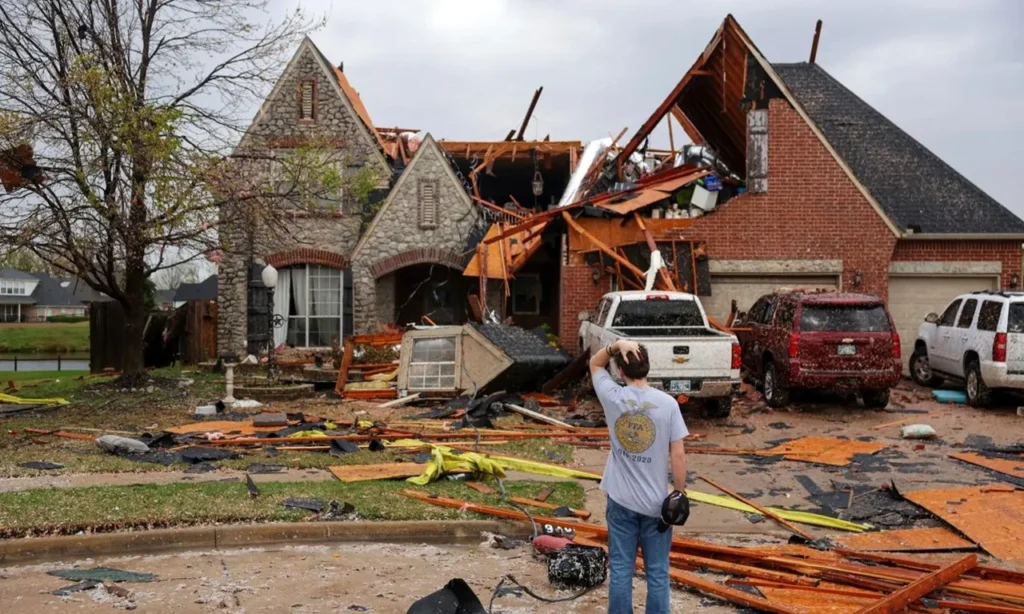
High-risk homeowners insurance provides specialized property protection for homeowners whose houses face greater insurance risks because of location, previous claims, older construction, natural disasters, or other underwriting concerns. Are you struggling to obtain affordable homeowners insurance because standard insurers consider your property too risky? Fortunately, specialized insurance providers offer flexible policies designed specifically for high-risk homes. Choosing the right high-risk homeowners insurance helps protect your property, personal belongings, liability exposure, and financial future against unexpected losses. Understanding coverage options, policy exclusions, premiums, deductibles, and insurer requirements enables homeowners to compare providers confidently while securing dependable protection for one of their most valuable investments.
Understanding High-Risk Homeowners Insurance Coverage Benefits Clearly
High-risk homeowners insurance provides financial protection for properties considered more likely to experience insurance claims because of location, age, previous losses, or structural concerns. These specialized policies generally include dwelling protection, personal property coverage, liability insurance, additional living expenses, and optional endorsements. Although premiums are typically higher than standard homeowners insurance, comprehensive protection safeguards homeowners from potentially devastating financial losses. Understanding these benefits allows property owners to compare available policies while selecting dependable coverage that protects both homes and long-term financial security.
Why High-Risk Homeowners Insurance Matters For Property Owners
Many homeowners cannot qualify for traditional insurance because insurers view their properties as presenting elevated risks. High-risk homeowners insurance fills this important gap by offering specialized protection for homes exposed to wildfires, hurricanes, floods, aging construction, or repeated insurance claims. Without proper insurance, homeowners could face overwhelming repair or rebuilding costs following major disasters. Understanding the importance of specialized coverage encourages responsible financial planning while protecting valuable property investments and maintaining mortgage compliance.
How High-Risk Homeowners Insurance Actually Works Today
Most high-risk homeowners insurance policies begin with detailed property inspections and underwriting evaluations. Insurance companies assess home location, construction materials, roof condition, electrical systems, plumbing, prior claims, nearby fire protection, and local weather risks before determining eligibility and premium rates. Policyholders pay regular premiums while receiving financial protection against covered losses according to policy terms. Understanding how these policies work helps homeowners compare insurers while selecting comprehensive property protection that matches their unique risk profile.
Common Reasons Homes Receive High-Risk Insurance Classifications Today
Several factors may require homeowners to seek high-risk homeowners insurance, including previous insurance claims, older roofs, outdated electrical systems, aging plumbing, wildfire exposure, coastal hurricane risks, vacant properties, or homes located far from fire departments. Insurance companies evaluate these conditions carefully during underwriting. Understanding why homes receive high-risk classifications helps property owners identify opportunities for future improvements while maintaining continuous insurance protection and financial security.
Comparing Dwelling Coverage Options For Property Protection Carefully
Dwelling coverage remains the foundation of high-risk homeowners insurance because it helps pay to repair or rebuild the home’s physical structure following covered losses. Protection generally extends to walls, roofing, attached garages, built-in appliances, and permanently installed fixtures. Choosing adequate dwelling limits ensures homeowners can rebuild their property without significant financial hardship. Understanding dwelling coverage helps consumers compare policies effectively while maximizing long-term property protection and insurance value.
Personal Property Coverage Protecting Valuable Household Belongings Successfully
Most high-risk homeowners insurance policies include personal property protection covering furniture, electronics, clothing, appliances, and other belongings damaged by covered events. Coverage limits and reimbursement methods vary depending on policy terms and optional endorsements. Homeowners should regularly review coverage amounts to ensure personal possessions remain adequately insured. Understanding personal property protection helps policyholders compare insurers while preserving valuable household assets against unexpected losses.
Liability Coverage Benefits For High-Risk Homeowners Explained Clearly
Liability protection included within high-risk homeowners insurance offers several important financial benefits, including:
- Covers legal expenses if someone files a lawsuit after being injured on your property.
- Pays medical costs for guests injured during covered accidents at your home.
- Helps cover settlement amounts and court-awarded damages for covered liability claims.
- Protects your personal savings, investments, and other valuable assets from expensive lawsuits.
- Provides financial security against unexpected liability-related expenses.
- Allows homeowners to select liability limits that match their financial needs and risk exposure.
- Strengthens long-term financial protection through comprehensive personal liability coverage.
- Supports responsible insurance planning by reducing potential out-of-pocket legal costs.
- Gives homeowners greater confidence knowing liability risks are financially protected.
- Helps create a well-rounded high-risk homeowners insurance policy with broader overall protection.
Additional Living Expenses Coverage During Temporary Home Repairs
Many high-risk homeowners insurance policies include additional living expenses coverage that helps pay temporary housing, meals, transportation, and other necessary living costs when covered damage makes the home temporarily uninhabitable. This benefit allows families to maintain normal living conditions while repairs or rebuilding occur. Understanding additional living expense protection helps homeowners compare policy features while securing comprehensive financial support following significant property damage.
Factors Affecting High-Risk Homeowners Insurance Premium Costs Today
Several important factors influence premiums charged for high-risk homeowners insurance, including property age, construction materials, roof condition, claim history, geographic location, replacement cost, security systems, wildfire exposure, and nearby emergency services. Homes facing greater disaster risks generally require higher premiums. Understanding premium calculation factors helps homeowners compare insurers intelligently while identifying opportunities to reduce long-term insurance costs through property improvements and preventive maintenance.
Comparing Multiple High-Risk Homeowners Insurance Providers Carefully Today
Shopping around remains one of the most effective ways to reduce costs when purchasing high-risk homeowners insurance. Insurance companies use different underwriting guidelines, premium calculations, discounts, and policy features when evaluating higher-risk properties. Comparing several providers helps homeowners identify stronger coverage at competitive prices while avoiding unnecessary insurance expenses. Understanding comparison shopping strengthens purchasing decisions and improves opportunities for affordable long-term property protection.
Natural Disaster Risks Affecting Home Insurance Eligibility Significantly
Homes located in wildfire zones, hurricane-prone coastal regions, earthquake areas, or locations experiencing severe weather frequently require high-risk homeowners insurance. Insurance companies carefully evaluate regional disaster history when determining eligibility and premium rates. Homeowners living in higher-risk areas often benefit from specialized insurers experienced in managing catastrophe exposure. Understanding natural disaster risks helps property owners compare coverage options while strengthening long-term financial preparedness.
Understanding Property Inspections Before Insurance Policy Approval Carefully
Most high-risk homeowners insurance applications require professional property inspections before final approval. Inspectors evaluate roofing condition, structural integrity, electrical wiring, plumbing systems, heating equipment, safety hazards, and overall property maintenance. Inspection results directly influence eligibility, premiums, and required repairs before coverage begins. Understanding inspection requirements helps homeowners prepare properties effectively while improving approval opportunities and reducing underwriting complications.

Choosing Reliable High-Risk Homeowners Insurance Companies Confidently Today
Selecting dependable high-risk homeowners insurance providers requires comparing financial strength, claims payment history, customer satisfaction, underwriting flexibility, disaster response capabilities, policy options, and years of industry experience. Financially stable insurers consistently honor covered claims while providing dependable customer support following major property losses. Understanding insurer quality helps homeowners purchase reliable protection while strengthening confidence in long-term insurance investments.
Available Discounts Reducing High-Risk Homeowners Insurance Premium Costs
Although high-risk homeowners insurance generally costs more than standard coverage, many insurers still offer valuable discounts. Common savings opportunities include installing security systems, smoke detectors, fire-resistant roofing, impact-resistant windows, updated electrical systems, bundled insurance policies, and claim-free history rewards. Understanding available discounts helps homeowners reduce insurance expenses while maintaining comprehensive property protection and improving long-term financial stability.
Avoiding Common High-Risk Homeowners Insurance Buying Mistakes Today
Many homeowners purchasing high-risk homeowners insurance compare only premium prices while overlooking deductibles, coverage limits, exclusions, replacement cost protection, insurer reputation, available discounts, and claims satisfaction. These oversights may reduce financial protection after major property losses. Comparing complete policy features instead of cost alone helps homeowners make stronger insurance decisions while maximizing long-term coverage, financial security, and dependable protection for valuable residential property.
Wildfire Coverage Options For High-Risk Homeowners Insurance Policies
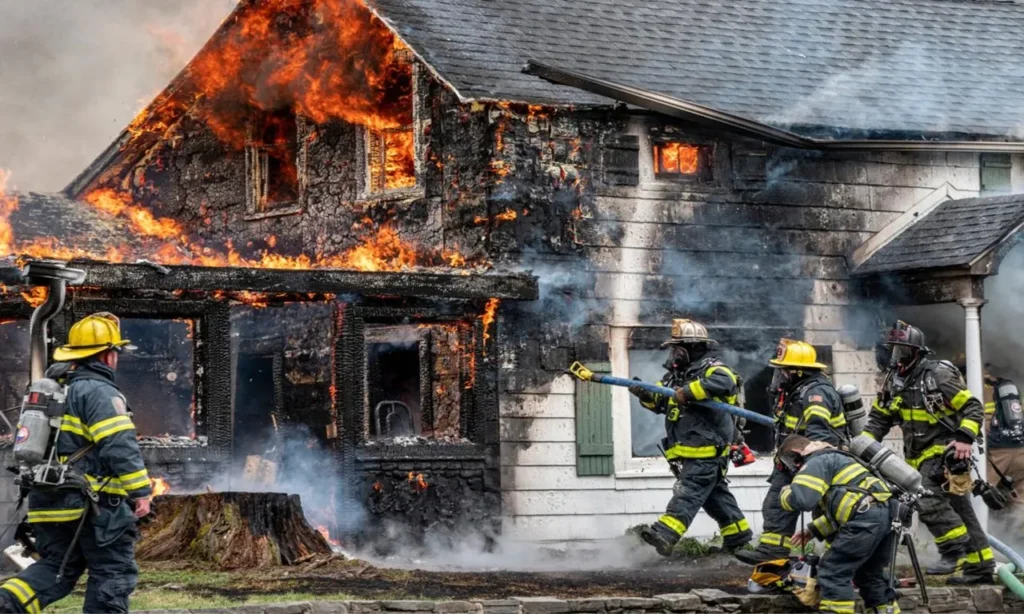
Many high-risk homeowners insurance policies provide specialized wildfire protection for homes located in fire-prone regions. Coverage generally helps pay for repairing or rebuilding damaged structures, replacing personal belongings, removing debris, and covering temporary living expenses after covered wildfire losses. Some insurers may require homeowners to complete property improvements before approving wildfire coverage. Understanding wildfire insurance options helps property owners compare specialized providers while securing dependable financial protection against one of the most destructive natural disasters affecting residential properties today.
Hurricane Damage Protection Under Specialized Insurance Policies Explained
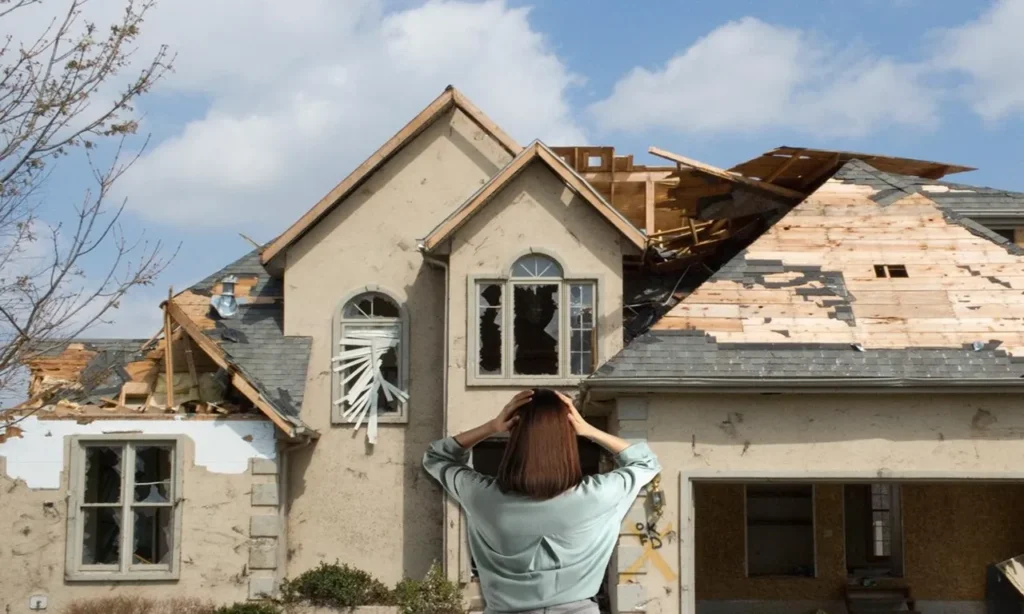
Coastal homeowners often rely on high-risk homeowners insurance because hurricane exposure significantly increases property risks. Comprehensive policies may cover structural damage caused by high winds, fallen trees, wind-driven debris, and certain storm-related losses, depending on policy terms. Separate flood insurance may still be necessary for water damage. Understanding hurricane coverage allows homeowners to compare insurance providers effectively while ensuring adequate financial protection against severe coastal weather events and costly property damage.
Older Homes Requiring Specialized Insurance Coverage Solutions Today
Historic and aging properties frequently qualify for high-risk homeowners insurance because older construction materials, outdated electrical systems, aging plumbing, and structural concerns increase claim risks. Specialized insurers understand the unique restoration challenges associated with older homes while offering appropriate coverage options. Homeowners should compare policies carefully to ensure replacement costs accurately reflect rebuilding expenses. Understanding insurance needs for older homes supports better financial planning while protecting valuable residential investments from unexpected losses.
Previous Insurance Claims Affecting Homeowners Premium Calculations Significantly
Insurance companies carefully review previous claims when evaluating applicants for high-risk homeowners insurance. Multiple claims filed within recent years often increase premiums because insurers view repeated losses as indicators of future risk. However, maintaining a claim-free history after previous incidents may gradually improve insurance pricing. Understanding how prior claims affect underwriting helps homeowners compare insurers intelligently while working toward lower premiums through responsible property maintenance and preventive risk management.
Vacant Properties Requiring Specialized High-Risk Insurance Protection Today
Vacant homes often require high-risk homeowners insurance because unoccupied properties face increased risks of vandalism, theft, water damage, unnoticed maintenance problems, and delayed emergency responses. Standard homeowners policies frequently limit or exclude coverage after extended vacancy periods. Specialized insurers offer protection specifically designed for temporarily or permanently vacant residences. Understanding vacancy insurance requirements helps property owners secure dependable coverage while protecting valuable real estate investments during periods without occupants.
Rental Properties And High-Risk Insurance Coverage Differences Explained
Property owners comparing high-risk homeowners insurance should understand that rental homes often require landlord insurance rather than standard homeowner coverage. Rental properties present different liability exposures, maintenance responsibilities, and tenant-related risks. Specialized insurance policies protect rental income, property structures, and landlord liability according to ownership circumstances. Understanding these distinctions helps property owners compare appropriate coverage while ensuring comprehensive financial protection for residential investment properties.
Comparing Replacement Cost And Actual Cash Value Coverage
Homeowners evaluating high-risk homeowners insurance should carefully compare replacement cost coverage with actual cash value protection. Replacement cost policies generally pay to rebuild damaged property using current construction costs without depreciation deductions. Actual cash value coverage reduces claim payments based on property depreciation. Understanding these reimbursement methods helps homeowners select stronger financial protection while minimizing unexpected out-of-pocket rebuilding expenses after covered property losses.
Understanding Home Security Systems Lowering Insurance Premiums Effectively
Installing modern security systems often helps reduce premiums for high-risk homeowners insurance because monitored alarms decrease theft, burglary, and property damage risks. Smoke detectors, surveillance cameras, motion sensors, fire alarms, smart home monitoring, and automatic emergency notifications improve overall property safety. Many insurers reward these security improvements with valuable discounts. Understanding available security incentives helps homeowners lower insurance costs while strengthening long-term residential protection.
Roof Condition Influencing Homeowners Insurance Underwriting Decisions Today
Roof condition remains one of the most important underwriting factors affecting high-risk homeowners insurance eligibility and premium calculations. Aging, damaged, or poorly maintained roofs significantly increase risks of water intrusion, wind damage, and costly insurance claims. Replacing older roofing materials often improves insurability while qualifying homeowners for lower premium rates. Understanding roofing requirements encourages preventive maintenance while protecting valuable residential structures against severe weather and unexpected losses.
Flood Insurance Requirements Beyond Standard Homeowners Coverage Explained
Most high-risk homeowners insurance policies do not automatically include flood damage protection, making separate flood insurance necessary for many homeowners. Flooding caused by rising water, storm surges, or overflowing rivers generally requires dedicated flood coverage purchased independently. Understanding these limitations helps homeowners avoid dangerous protection gaps while securing complete financial coverage against one of the most expensive natural disasters affecting residential properties.
Financial Planning Using Comprehensive Property Insurance Protection Strategies
Responsible financial planning includes maintaining high-risk homeowners insurance that protects homes, personal belongings, liability exposure, and emergency savings from major property losses. Insurance coverage prevents homeowners from using retirement funds, investments, or personal savings to rebuild after disasters. Understanding homeowners insurance as a critical financial planning tool strengthens long-term household stability while preserving valuable assets and supporting future financial independence despite unexpected property damage.
Reviewing Homeowners Insurance Policies After Property Improvements Regularly
Homeowners should review high-risk homeowners insurance after completing renovations, roof replacements, security upgrades, room additions, or other significant improvements. Property enhancements may increase replacement costs while also qualifying homeowners for premium discounts or expanded coverage options. Regular policy reviews ensure insurance accurately reflects current home value and construction quality. Understanding the importance of policy updates strengthens financial protection while maximizing long-term insurance benefits.
Technology Improving Modern Homeowners Insurance Customer Experiences Today
Technology continues transforming high-risk homeowners insurance through online quotes, digital policy management, mobile claims reporting, artificial intelligence underwriting, satellite property inspections, and smart home monitoring integration. These innovations improve customer convenience while accelerating policy approvals and claims processing. Homeowners benefit from greater transparency and faster service throughout the insurance experience. Understanding technological advancements helps consumers manage property insurance more efficiently while maintaining dependable long-term protection.
Future Trends Transforming High-Risk Homeowners Insurance Industry Solutions
The future of high-risk homeowners insurance continues evolving through predictive weather analytics, artificial intelligence underwriting, climate risk modeling, smart home technology, and personalized insurance pricing. Insurance companies increasingly use advanced technology to improve risk assessment while rewarding homeowners who reduce property hazards. Understanding these future developments helps property owners prepare for changing insurance markets while maximizing long-term coverage opportunities and financial security.
Choosing Financially Strong Property Insurance Companies With Confidence
Selecting financially stable insurers remains essential when purchasing high-risk homeowners insurance. Homeowners should compare financial ratings, catastrophe response history, customer satisfaction, claims payment performance, underwriting flexibility, and years of industry experience before selecting coverage. Financially secure insurers consistently honor covered claims following severe disasters while providing dependable customer support. Understanding insurer financial strength improves purchasing confidence while ensuring reliable long-term property protection.
Managing Homeownership Costs Through Better Insurance Planning Strategies
Owning a home involves mortgage payments, maintenance, utilities, taxes, and insurance expenses, making high-risk homeowners insurance an important component of financial planning. Comparing policies regularly helps homeowners manage insurance costs while maintaining comprehensive protection against unexpected losses. Understanding total homeownership expenses encourages smarter budgeting while reducing long-term financial risks associated with maintaining valuable residential property.
Avoiding Common Homeowners Insurance Buying Mistakes Successfully Today
Many homeowners comparing high-risk homeowners insurance purchase policies based only on premium prices while overlooking deductibles, replacement cost coverage, exclusions, endorsements, insurer reputation, and claims satisfaction ratings. These oversights may leave homeowners financially vulnerable after significant property damage. Comparing complete policy features instead of monthly costs alone helps consumers maximize insurance value while securing stronger long-term residential protection and financial peace of mind.
Preparing Important Documents Before Insurance Claim Submission Carefully
Maintaining organized records strengthens future claims filed under high-risk homeowners insurance. Homeowners should safely store property inventories, purchase receipts, home photographs, renovation records, insurance contracts, maintenance documents, and emergency contact information. Accurate documentation simplifies claim verification while reducing processing delays after covered losses. Understanding documentation requirements helps homeowners receive fair claim settlements more efficiently while protecting valuable property investments.
Building Long-Term Financial Security Through Property Insurance Planning
Reliable high-risk homeowners insurance protects homeowners from devastating financial losses caused by fires, storms, theft, liability claims, and other covered disasters. Insurance proceeds preserve household savings, retirement investments, and personal assets while supporting timely property repairs or rebuilding. Understanding homeowners insurance as an essential component of long-term financial planning encourages responsible coverage decisions that strengthen household stability and preserve valuable residential investments.
Choosing High-Risk Homeowners Insurance With Complete Confidence Always
Selecting the right high-risk homeowners insurance requires comparing premiums, deductibles, coverage limits, replacement cost protection, available endorsements, insurer reputation, financial strength, and customer satisfaction before purchasing coverage. Homeowners who evaluate multiple providers generally obtain stronger financial protection while controlling long-term insurance costs. Careful comparison shopping safeguards valuable property, protects personal finances, improves disaster preparedness, and provides lasting confidence through dependable residential insurance coverage.
Understanding Policy Exclusions Before Purchasing Coverage Carefully
Every high-risk homeowners insurance policy includes exclusions that specify situations where coverage may not apply. Common exclusions often involve flood damage, earthquakes, intentional property damage, neglect, normal wear and tear, or fraudulent claims unless additional endorsements are purchased. Reading policy documents carefully before purchasing insurance helps homeowners understand their responsibilities while avoiding future claim disputes. Understanding policy exclusions enables consumers to compare insurers effectively, eliminate unexpected coverage gaps, and select dependable protection that supports long-term financial security and valuable property preservation.
Comparing Regional And National Home Insurance Companies Carefully
Homeowners comparing high-risk homeowners insurance should evaluate both regional and national insurance companies before making a final decision. Regional insurers may provide personalized customer service and local market expertise, while national providers often offer broader coverage options, advanced technology, and larger catastrophe response resources. Comparing multiple insurers allows homeowners to identify stronger policy benefits and competitive pricing. Understanding these differences supports informed insurance decisions while maximizing property protection, financial security, and overall customer satisfaction throughout the policy period.
Managing Insurance Costs Through Preventive Home Maintenance Successfully
Routine maintenance plays an important role in reducing premiums for high-risk homeowners insurance because insurers reward homeowners who actively reduce property risks. Replacing aging roofs, updating electrical wiring, maintaining plumbing systems, trimming trees, cleaning gutters, and repairing structural damage may improve insurability over time. Preventive maintenance also reduces the likelihood of costly insurance claims. Understanding the financial benefits of proactive property care helps homeowners protect valuable investments while improving long-term insurance affordability and household safety.
Benefits Of Comparing Quotes Before Every Policy Renewal Period
- Compare high-risk homeowners insurance quotes before every policy renewal.
- Avoid renewing your existing policy automatically without comparing options.
- Review updated underwriting guidelines from different insurance companies.
- Check for newly available discounts that may reduce premium costs.
- Compare replacement cost coverage offered by multiple insurers.
- Evaluate catastrophe risk assessments that may affect policy pricing.
- Look for improved policy features and broader coverage options.
- Compare premium rates to identify better value for your budget.
- Review deductibles and coverage limits before renewing your policy.
- Choose the insurer offering the best balance of price, protection, and customer service.
- Regular comparison shopping supports smarter financial planning.
- Comparing policies helps maximize insurance value over the long term.
- It can reduce future property protection costs while maintaining comprehensive coverage.
- Annual policy reviews ensure your insurance keeps pace with changing property values and risks.
Reviewing Coverage Before Major Home Renovation Projects Carefully
Before beginning significant remodeling projects, homeowners should review high-risk homeowners insurance to ensure coverage remains adequate after renovations. Kitchen upgrades, room additions, roof replacements, swimming pools, detached garages, or other improvements often increase rebuilding costs and insurance requirements. Updating policies before renovations helps eliminate coverage gaps while protecting valuable investments. Understanding renovation-related insurance needs enables homeowners to maintain comprehensive financial protection and avoid unexpected claim limitations after property improvements.
Technology Advancing Homeowners Insurance Claims And Customer Services
Modern technology continues improving high-risk homeowners insurance through artificial intelligence underwriting, online policy management, digital inspections, mobile claims reporting, satellite property imaging, and secure customer portals. These innovations simplify policy administration, reduce paperwork, improve claims processing speed, and strengthen communication between homeowners and insurers. Understanding technological advancements helps consumers enjoy greater convenience while managing insurance efficiently and maintaining dependable long-term property protection against unexpected financial losses.
Future Innovations Improving High-Risk Homeowners Insurance Solutions Ahead
The future of high-risk homeowners insurance continues evolving through climate risk modeling, predictive analytics, smart home technology, connected sensors, wearable disaster alerts, and personalized underwriting. These innovations enable insurers to evaluate risks more accurately while rewarding homeowners who actively reduce property hazards. Understanding future insurance developments helps homeowners prepare for changing market conditions, improve disaster readiness, secure competitive coverage options, and strengthen long-term financial protection for valuable residential properties.
Building Family Wealth Through Comprehensive Property Insurance Planning
Reliable high-risk homeowners insurance protects homeowners from significant financial losses while preserving household wealth, retirement savings, emergency funds, and long-term property investments. Insurance proceeds help families recover after fires, storms, theft, liability claims, and other covered disasters without exhausting personal assets. Understanding homeowners insurance as an essential component of comprehensive financial planning encourages responsible coverage decisions that strengthen household stability, preserve generational wealth, and support lasting financial independence for future family members.
Avoiding Common High-Risk Homeowners Insurance Buying Mistakes Successfully
Many homeowners purchasing high-risk homeowners insurance focus only on monthly premiums while overlooking deductibles, replacement cost protection, exclusions, endorsements, insurer reputation, customer satisfaction, financial strength, and claims handling performance. These oversights may leave homeowners financially vulnerable following major property losses. Comparing complete policy features instead of premium costs alone helps consumers make informed insurance decisions while maximizing long-term financial protection, comprehensive coverage, and dependable claims support during emergencies.
Choosing High-Risk Homeowners Insurance With Complete Confidence Always
Selecting the right high-risk homeowners insurance requires carefully comparing coverage limits, deductibles, replacement cost protection, endorsements, available discounts, insurer reputation, financial stability, customer satisfaction, and claims performance before purchasing a policy. Homeowners who evaluate multiple providers generally obtain stronger property protection while controlling long-term insurance costs. Careful comparison shopping safeguards valuable residential investments, protects personal finances, improves disaster preparedness, and provides lasting confidence through dependable homeowners insurance coverage tailored to unique property risks.
FAQs
What is high-risk homeowners insurance?
High-risk homeowners insurance is specialized coverage designed for homes with greater insurance risks because of location, age, previous claims, or structural concerns.
Who needs high-risk homeowners insurance?
Homeowners with older homes, multiple insurance claims, wildfire exposure, hurricane risks, vacant properties, or unique construction often need this coverage.
Why are premiums higher for high-risk homes?
Higher premiums reflect the increased likelihood of property damage, insurance claims, or costly repairs associated with elevated property risks.
Does homeowners insurance automatically cover floods?
No. Most standard and high-risk homeowners insurance policies require separate flood insurance for flood-related damage.
Can home improvements reduce insurance premiums?
Yes. Roof replacements, updated wiring, security systems, and fire-resistant materials may qualify homeowners for premium discounts.
Should I compare multiple insurance companies?
Yes. Comparing insurers helps you find better premiums, stronger coverage, improved claims service, and valuable policy features.
How often should I review my homeowners insurance policy?
Review your policy annually and after major renovations, property improvements, or significant lifestyle changes.
Conclusion
High-risk homeowners insurance provides essential financial protection for homeowners facing elevated property risks because of natural disasters, aging homes, previous claims, or unique underwriting challenges. Comparing coverage options, deductibles, replacement cost protection, endorsements, insurer reputation, and available discounts helps homeowners secure dependable insurance that protects both property and financial stability. Regular policy reviews, preventive home maintenance, and comparison shopping often improve long-term insurance value while reducing future risks. Investing in comprehensive homeowners insurance today safeguards valuable residential property, preserves family wealth, supports disaster recovery, and provides lasting peace of mind throughout every stage of homeownership.